

Root Canal Therapy
 Root canals have long been one of the most feared procedures in dentistry.
Today, dentistry has evolved to the point where root canal therapy is no longer the complicated procedure it once was. It’s time to look past the bad reputation of the root canal and see it for the valuable, pain-relieving solution it is.
Root Canal Therapy
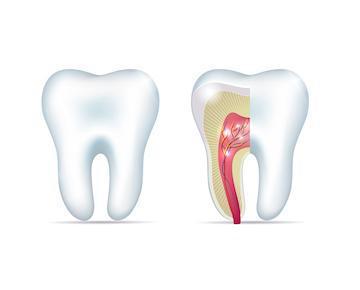
The root canal is the area of the tooth that houses the pulp and the nerve. Sometimes this part of the tooth can become infected.
When this happens, not only is the tooth extremely painful and sensitive, the infection can also spread to other areas of the mouth and other teeth. The most effective way to treat this infection is root canal therapy.
Once the anesthetic takes hold, and you are completely numb, we will create a small hole in your tooth. Working through the hole, we drain the infected material along with the pulp and any other debris. We thoroughly clean the interior of the tooth to make sure that no infection is left. An antibiotic medication may be placed inside the tooth to prevent further infection.
Your tooth will then be filled and a cap or crown will be placed. This is necessary because the structure of the tooth will be weakened, and a restoration will protect the tooth from breakage and also allow you to chew comfortably.
Do I Need a Root Canal?
 If you have been experiencing any of these signs or symptoms, call our office immediately. You may have an infection and could require treatment.
- Severe pain in one or more teeth
- Pain that is aggravated by chewing or other pressure
- Pain and sensitivity aggravated by hot or cold temperatures
- Darkening of one or more teeth
- A raised bump on the gums
- Swelling and tenderness in the gums that may radiate to the cheek
Call our office to make an appointment. Root canal therapy may be necessary to get rid of your pain and reduce your stress.
